Easter Science Camps 2026
March 30 - April 17 - 2026
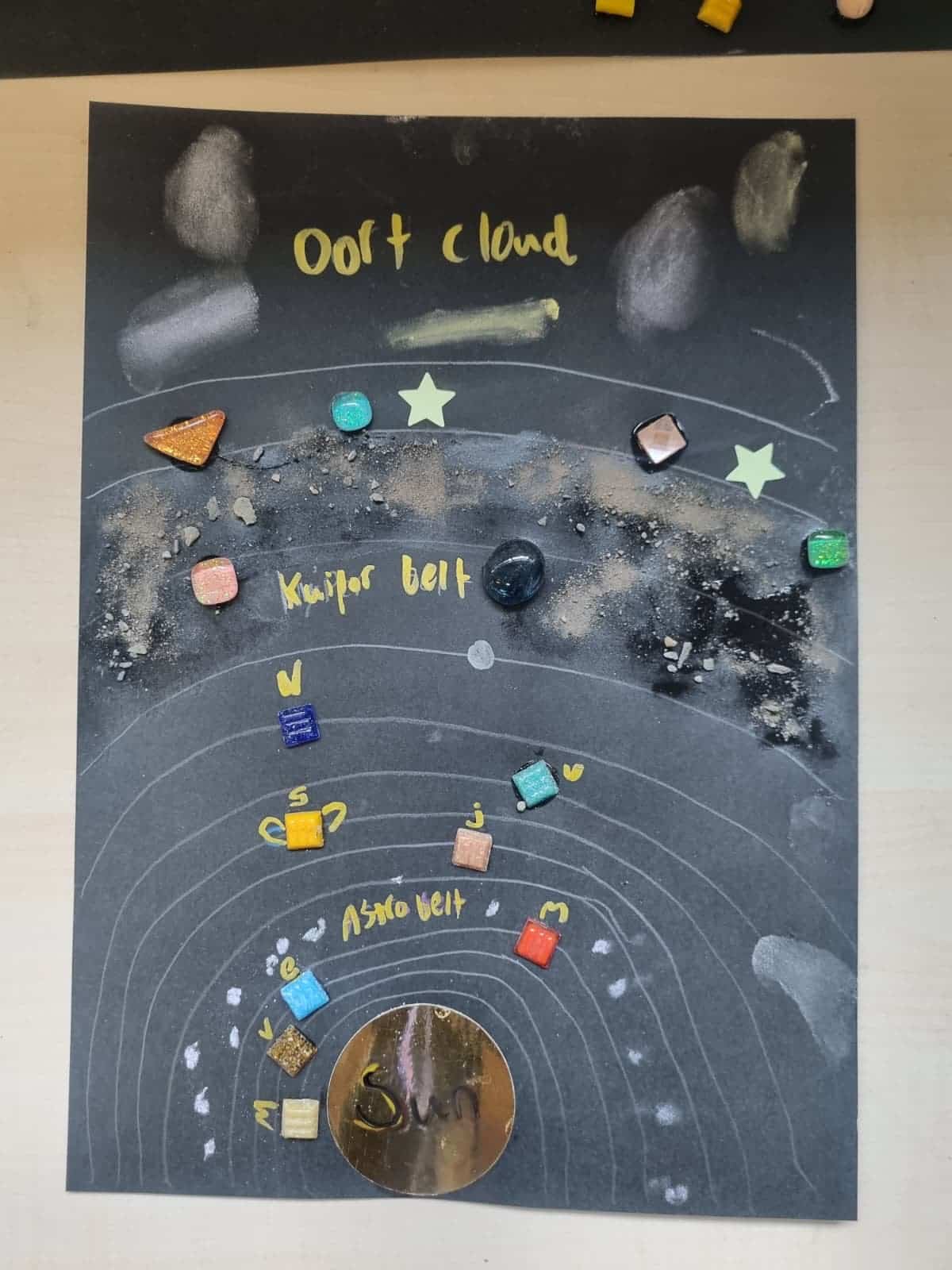
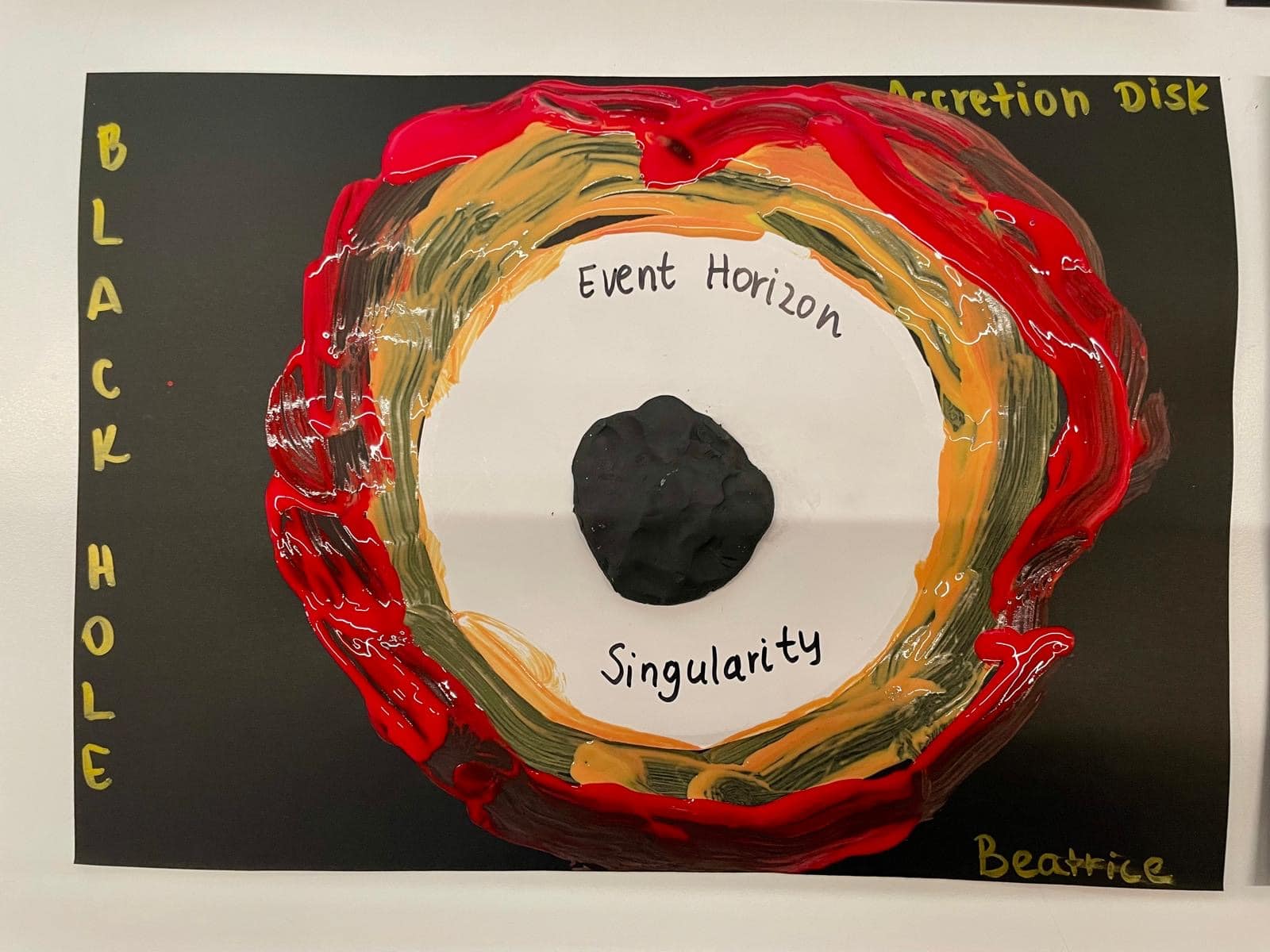
Week 1: Astrophysics Unveiled Decoding the Universes Hidden Secrets
Week 2: Junior Medical Explorers Discovering the World of Medicine
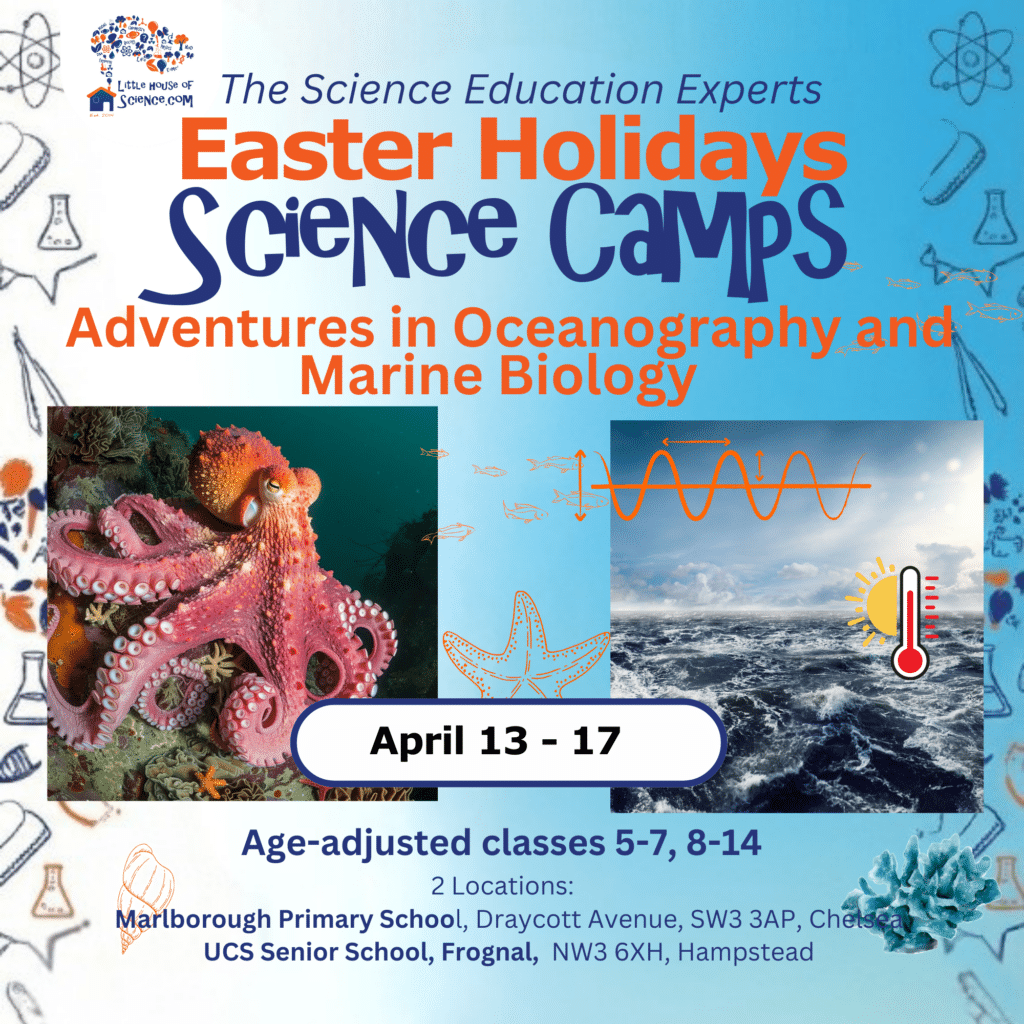
Week 3: Adventures in Oceanography Marine Biology
Locations
Heathside School, 84a Heath Street, enter via Streatly Place, London NW3 1DN
Notting Hill Prep School, 1B Thorpe Close, London W10 5XL
Week 1: Astrophysics Unveiled Decoding the Universes Hidden Secrets
Astrophysics Unveiled: Decoding the Universe’s Hidden Secrets is a rigorous, five-day deep dive into the forces, discoveries, and missions reshaping our understanding of space. Students will explore cosmic origins, stellar life cycles, planetary systems, and transformative missions—from the James Webb Space Telescope to Artemis lunar exploration.
They’ll engage with frontier ideas like the Dyson Sphere, the black hole information paradox, and the holographic principle. Alongside trailblazers like Vera Rubin and Margaret Hamilton, students will look ahead to groundbreaking future observatories, including NASA’s Nancy Grace Roman Space Telescope and China’s Xuntian Space Telescope, launching around 2026–2027. The topics are carefully age-adjusted—younger learners will build strong foundations in solar system science, space exploration, and the physics of light and gravity, while older students tackle deeper theoretical concepts and emerging astrophysical research.
Week 2: Junior Medical Explorers Discovering the World of Medicine
This Easter, young scientists will step into the fast-evolving world of medical science. From the basics of how our bodies work to the future of bio-engineered organs and robotic surgeons, each day dives into a new frontier. Children will learn how pioneers like Edward Jenner, Alexander Fleming, Rosalind Franklin, and John Snow transformed healthcare—and how today’s doctors are saving lives in conflict zones.
They will explore groundbreaking ideas like regeneration in frogs, the immortal jellyfish, and the secrets of our microbiome. While older students investigate topics ranging from medical imaging to genetic engineering and the ethics of AI in healthcare, our younger groups will focus on anatomy, body systems, and how doctors work to keep us healthy, all through fun, hands-on activities.
Week 3: Adventures in Oceanography Marine Biology
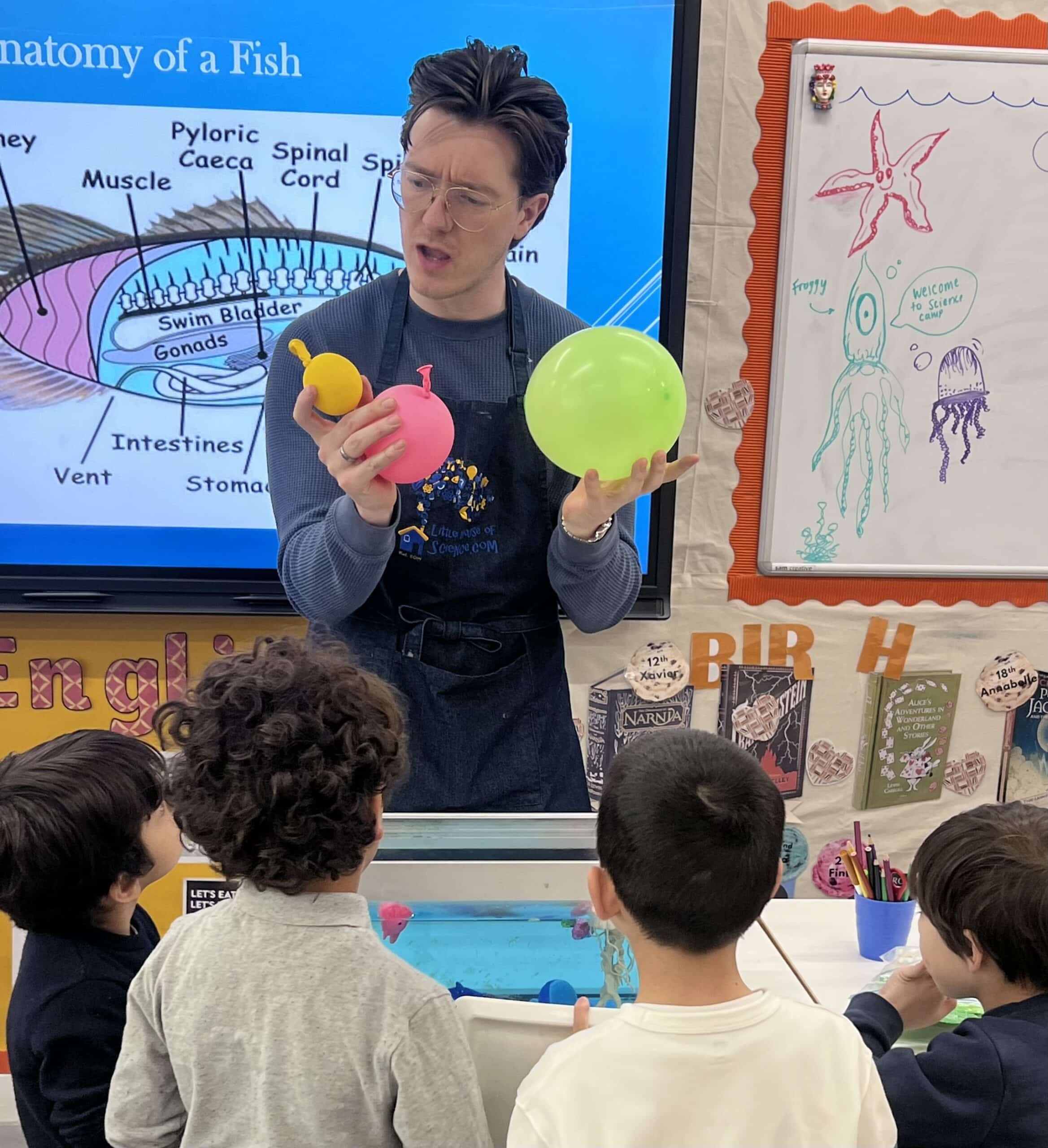
From exploring the origins of life around mysterious hydrothermal vents, to learning about tiny but mighty phytoplankton that help regulate our climate, children will learn about the science underneath the deep blue sea.
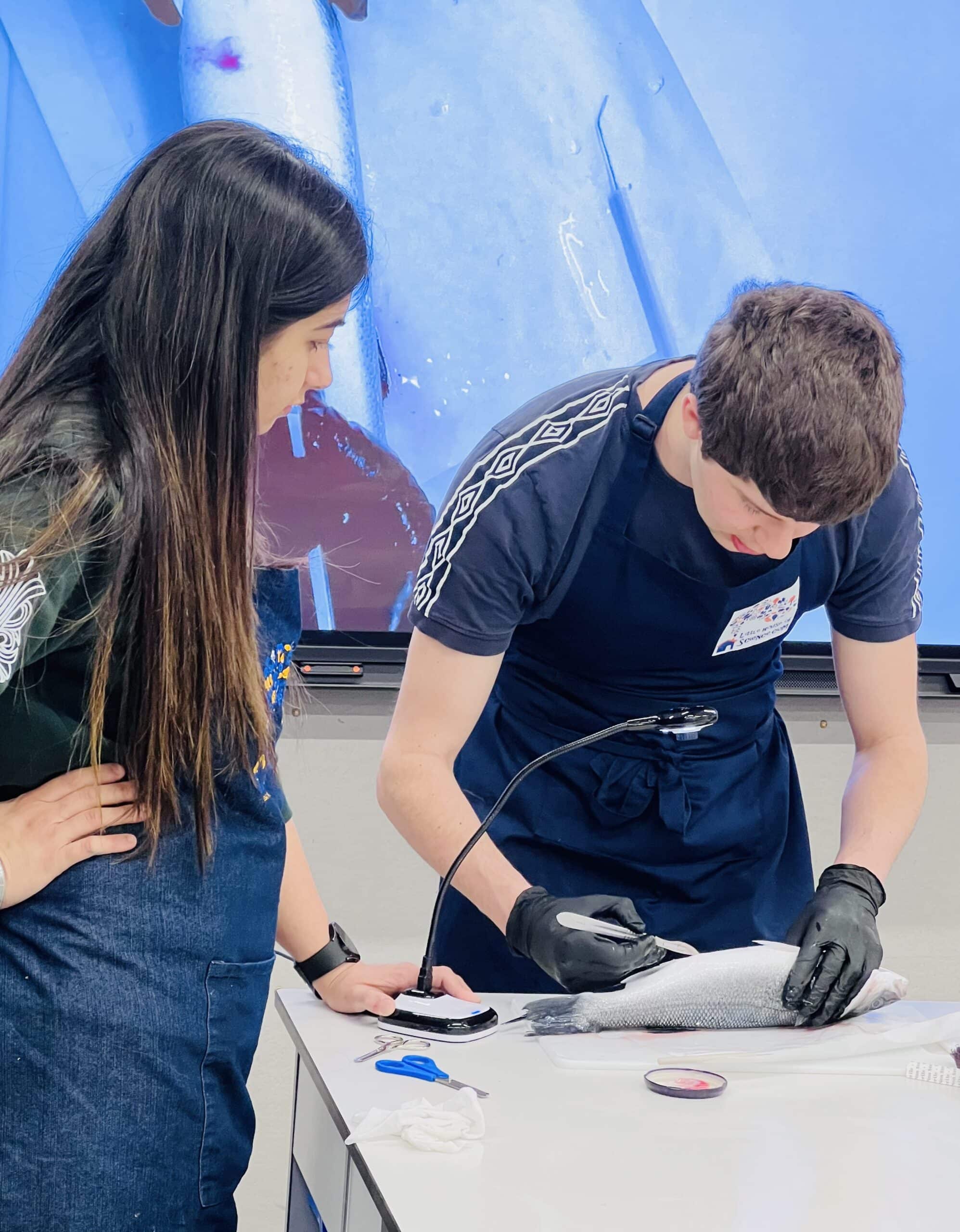
They will meet legendary ocean explorers like Jacques Cousteau, Sylvia Earle, and Orla Doherty, and uncover the secrets of fascinating ocean creatures such as intelligent octopuses, graceful sea turtles, glowing jellyfish, and stealthy camouflaging animals. Children will lean how the moon controls the tides, how powerful ocean currents like the Gulf Stream and the Antarctic Circumpolar Current distribute heat around the globe, and how waves, from gentle ripples to massive swells, shape coastlines and marine habitats. We will discover how underwater animals breathe with amazing gills, and how deep-sea symbiosis creates unique partnerships in the darkest parts of the ocean. We will also find out how microplastics affect marine life and why protecting our oceans is crucial for the planet’s health. Older children will engage with more advanced concepts in physics and chemistry to deepen their understanding of ocean processes
Frequently Asked Questions
What age groups are the Easter science camps for?
Our Easter science camps welcome children aged 5 to 14. Each week is carefully age-adjusted so younger learners (ages 5–7) build strong foundations through hands-on activities, while older students (ages 8–14) tackle more advanced concepts and emerging research. All three themed weeks run simultaneously, with separate groups for each age band.
What are the Easter camp themes?
Each Easter we run three themed weeks covering different areas of science. Themes change each year so children can attend multiple years without repeating content. Past themes have included Astrophysics, Medical Science, and Oceanography — each designed to be as relevant and exciting as the latest discoveries in that field.
Can my child attend just one week, or do they need to book all three?
Each week is completely standalone, so you can book one, two, or all three weeks — whatever works for your family. Children who attend multiple weeks benefit from breadth across different scientific disciplines, but there is no requirement to attend consecutive weeks.
What are the camp hours, and is early drop-off or late pick-up available?
Camp runs from 9:30am to 3:30pm each day. Early drop-off from 8:30am and late pick-up until 4:30pm are available — please check the booking portal or contact us directly to confirm availability for the current Easter session.
What is the teacher-to-child ratio at Easter camps?
We maintain a 1:6 teacher-to-child ratio across all our holiday camps, including Easter. All staff hold Master’s or PhD-level qualifications in their scientific field, are fully DBS-checked, and are trained in first aid and safeguarding.
What should my child bring to Easter camp?
Children should bring a packed lunch and two snacks each day. Please note that we operate a strict no nuts, seeds, or eggs policy across all our camp venues due to allergies. Water bottles are welcome. We provide all scientific materials and equipment needed for experiments.
How do I book a place on the Easter science camps?
Places can be booked directly through our online portal at portal.littlehouseofscience.com. A 10% discount is automatically applied for siblings or friends booking together. If you have any questions before booking, contact us at info@littlehouseofscience.com or call +44 203 443 9967.