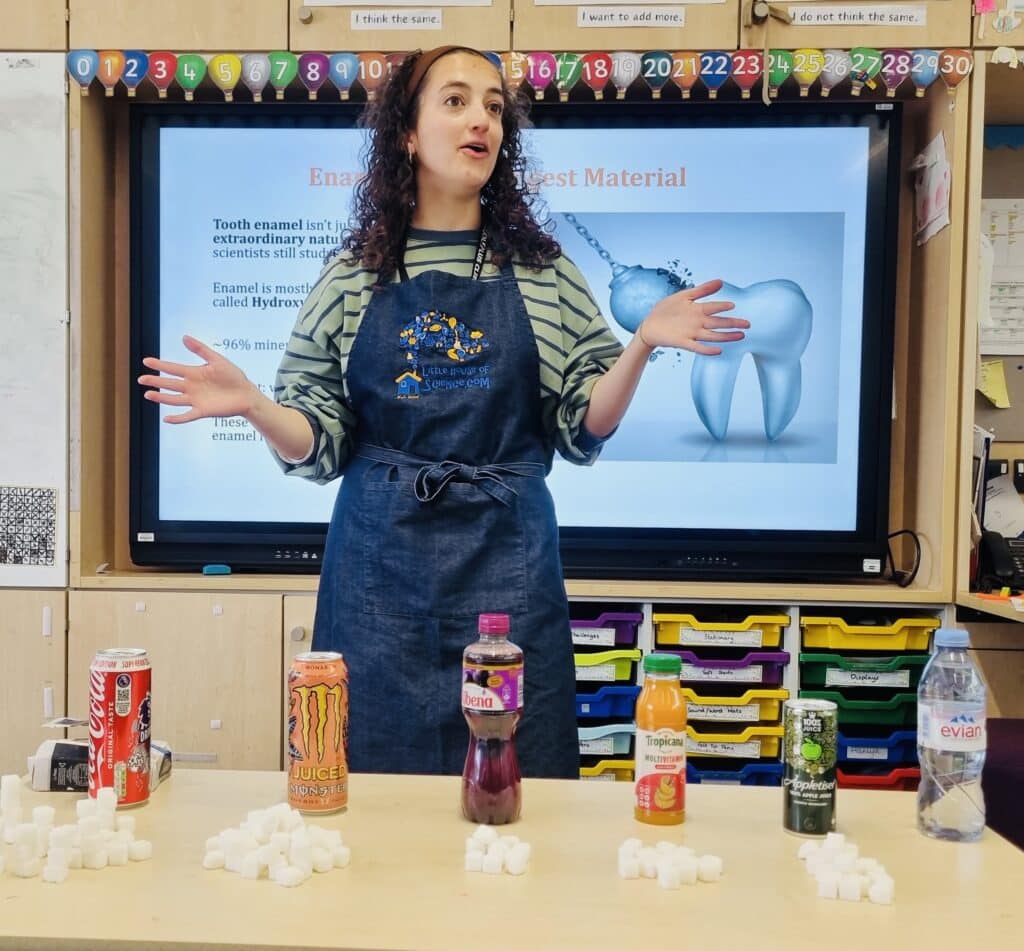
We had a wonderful time during the Easter Science Camp, where children explored science in a truly wide-ranging and engaging way, journeying from the far reaches of space to the depths of the oceans and the complexity of the human body. As always, across all three weeks, the focus remained on curiosity, critical thinking, communication skills, and building confidence in how science helps us understand the world around us.
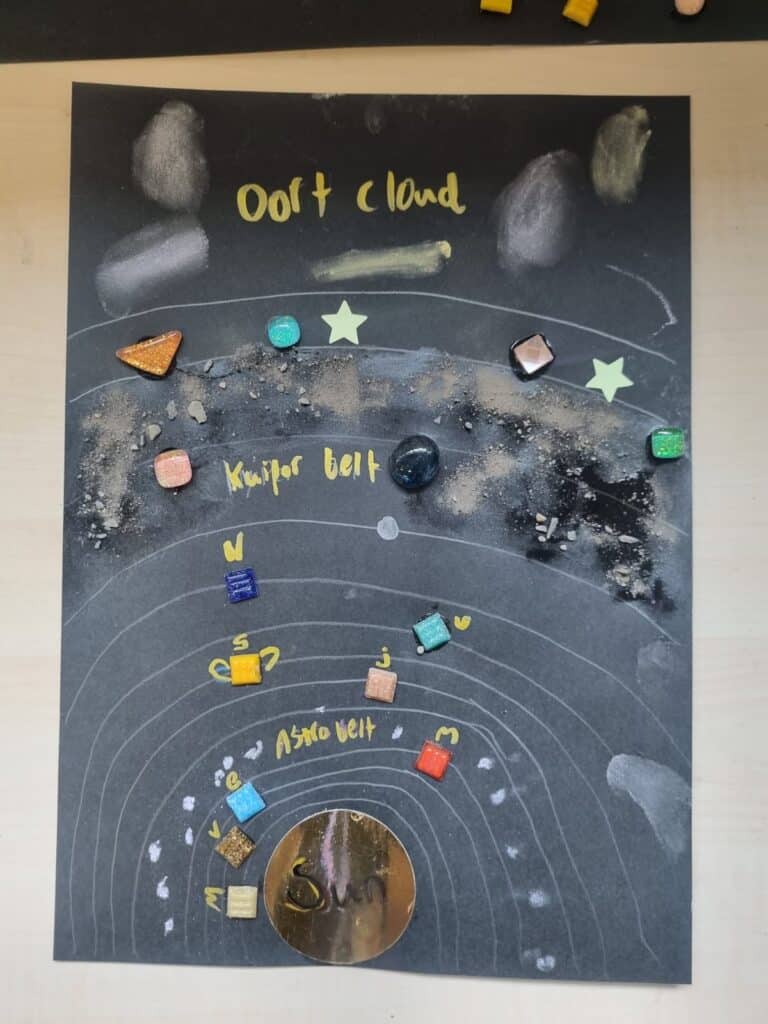
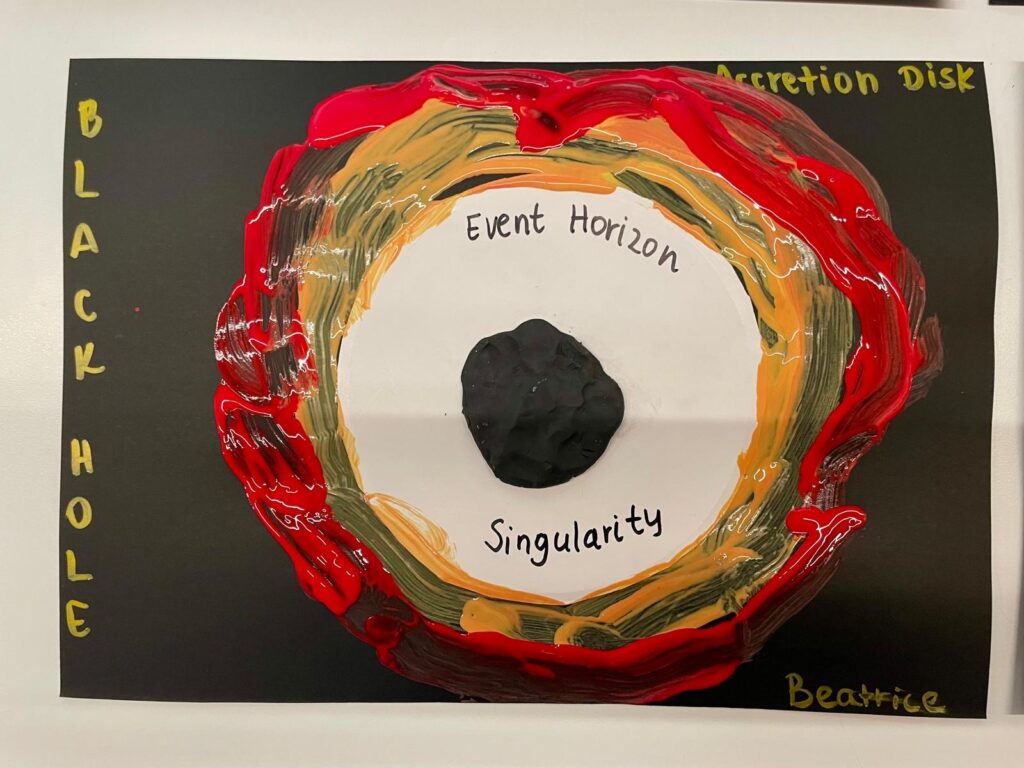
A real highlight of our Astrophysics week was the opportunity to learn about and follow the Artemis II mission together. Pupils observed key moments as they unfolded and discussed what this important step in human space exploration could mean for future lunar travel and beyond.
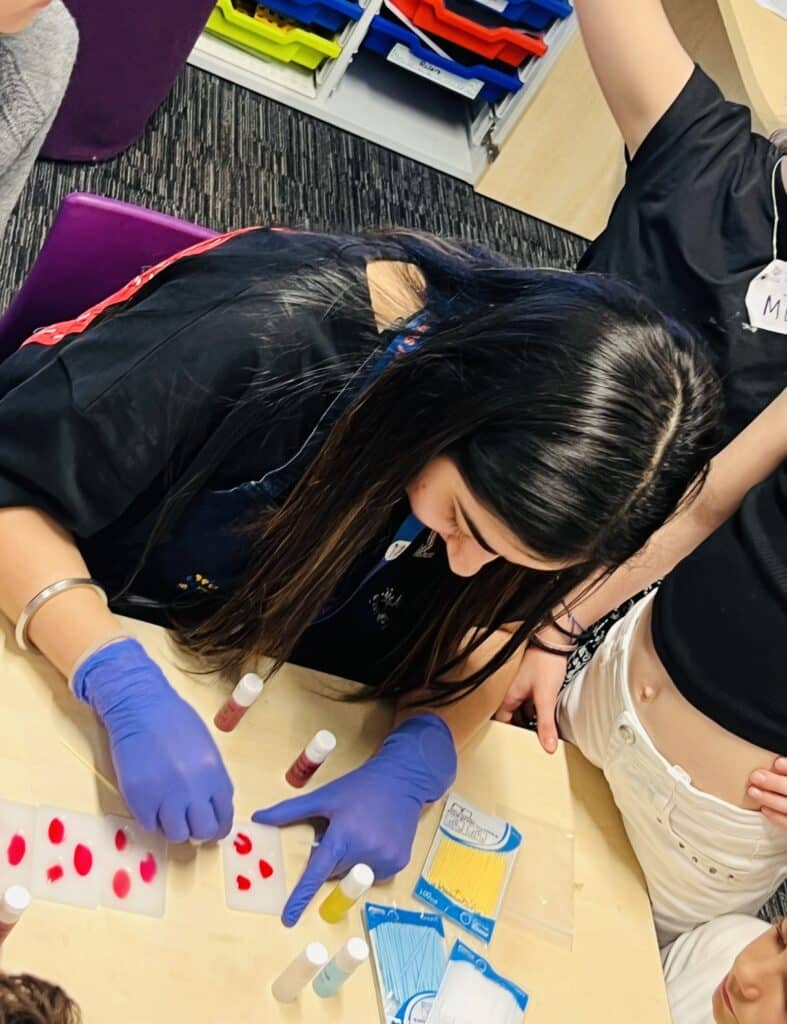
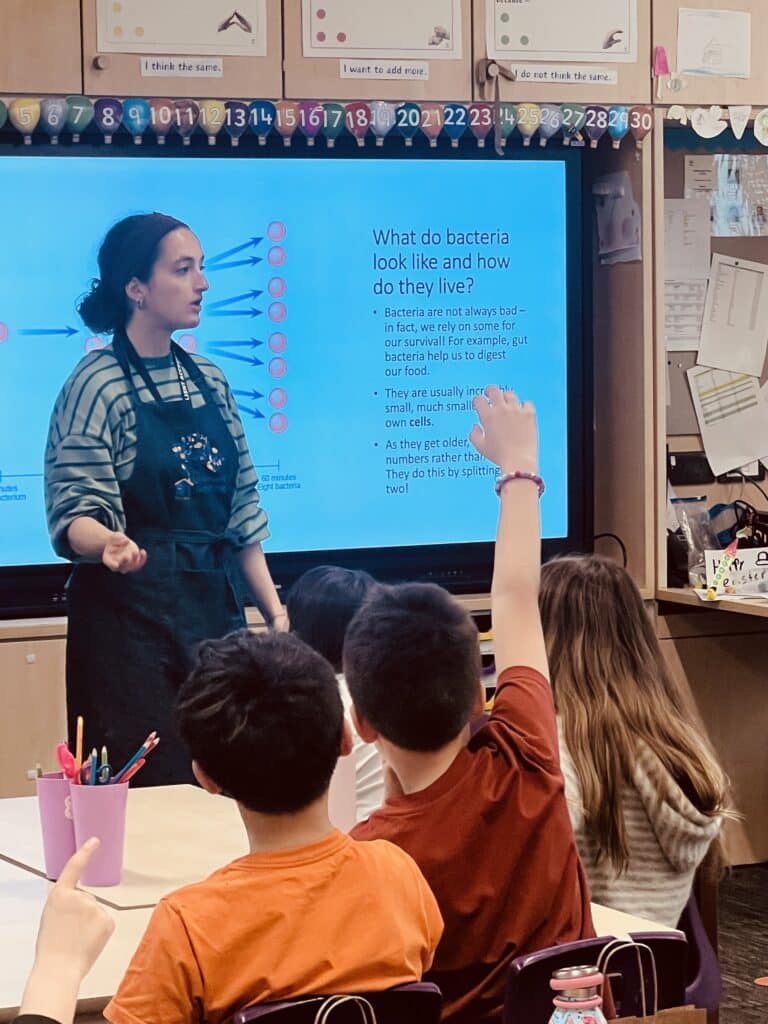
During Junior Medical Explorers, children investigated how the human body works and how medical science has evolved over time. They carried out dissections, explored how blood tests work, and examined how scientists use evidence to understand health. Topics such as genetics, vaccines, and the immune system sparked discussions about how medical advances continue to save lives.
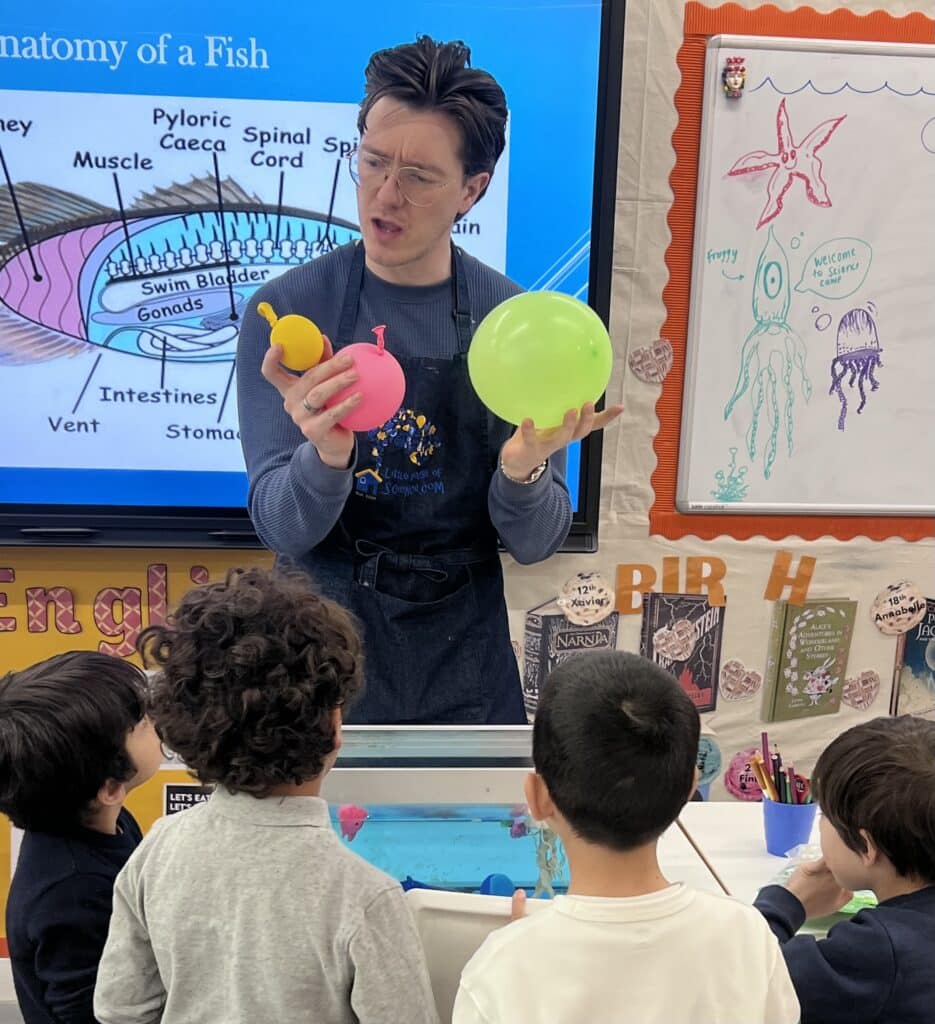
In Adventures in Oceanography, we turned our attention to Earth’s oceans. We explored navigation, underwater volcanoes, coral reefs, ocean acidification, and overfishing. Children also looked at how marine animals adapt to different environments, learned about phytoplankton, and reflected on how plastic pollution affects marine ecosystems.
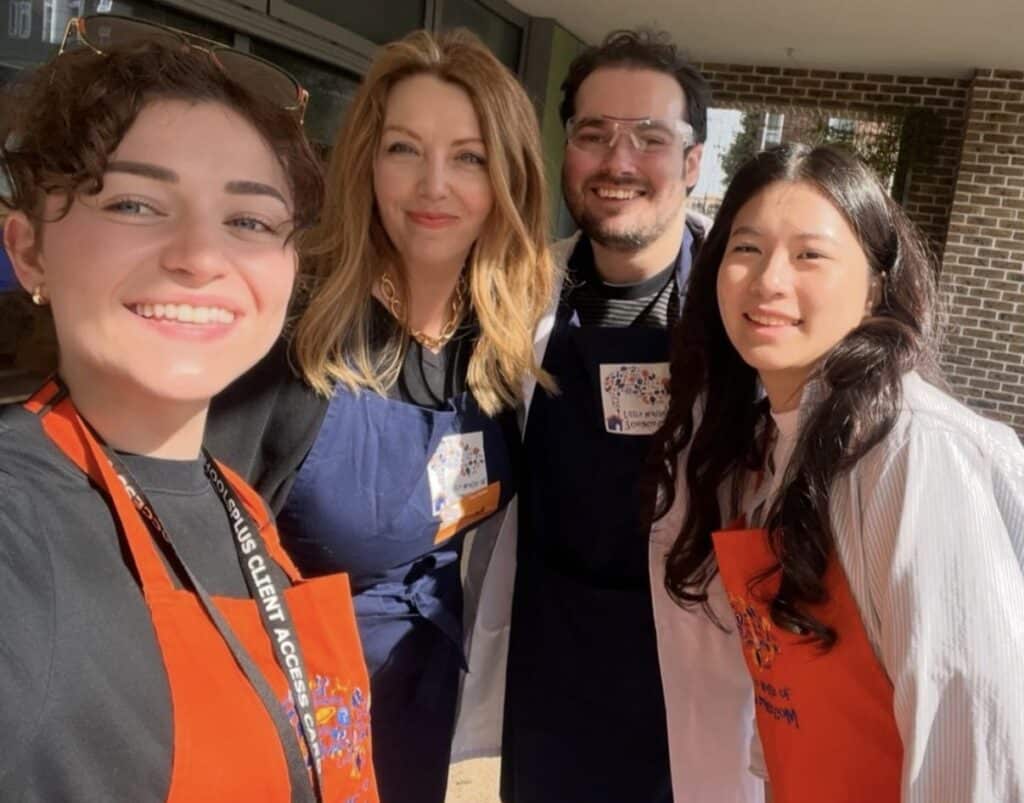
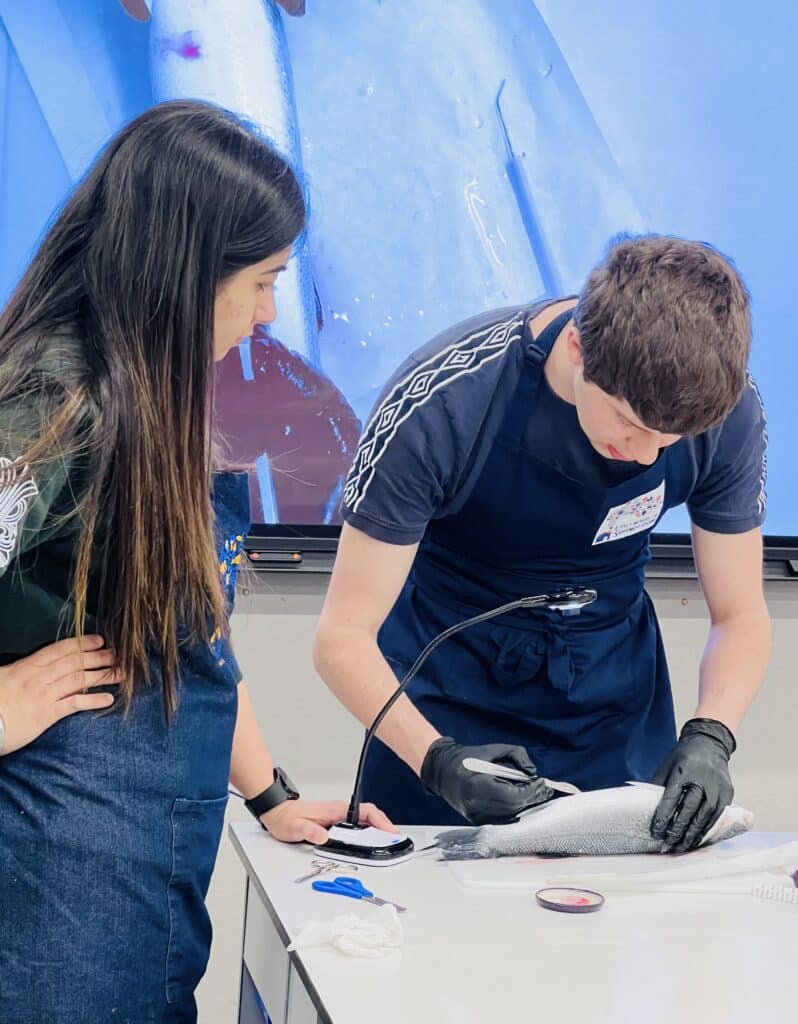
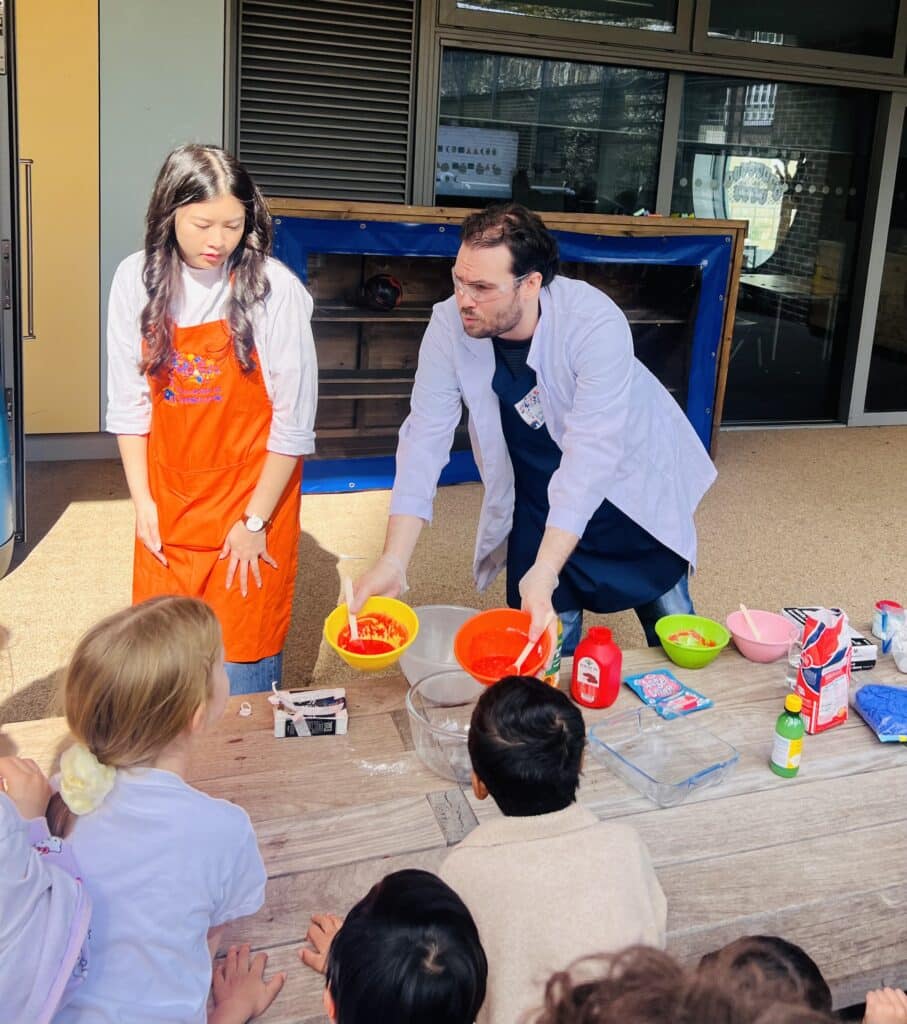
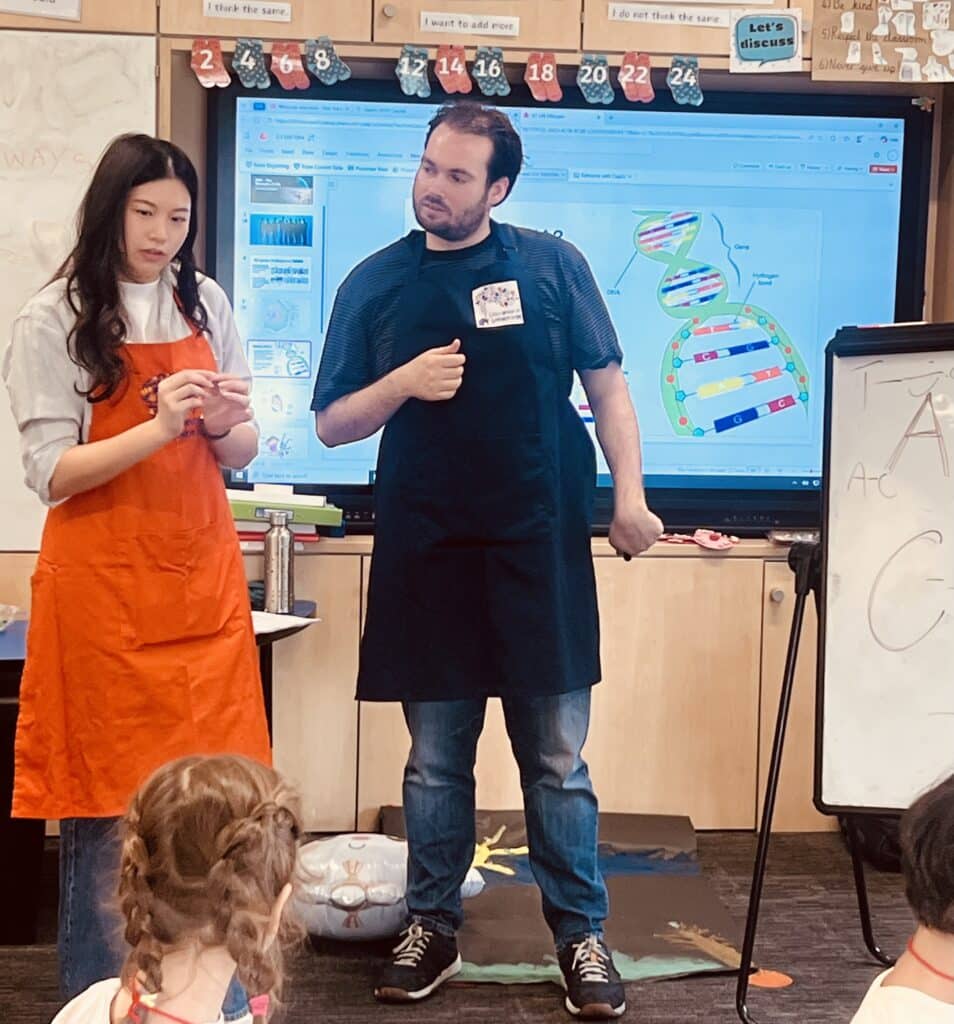
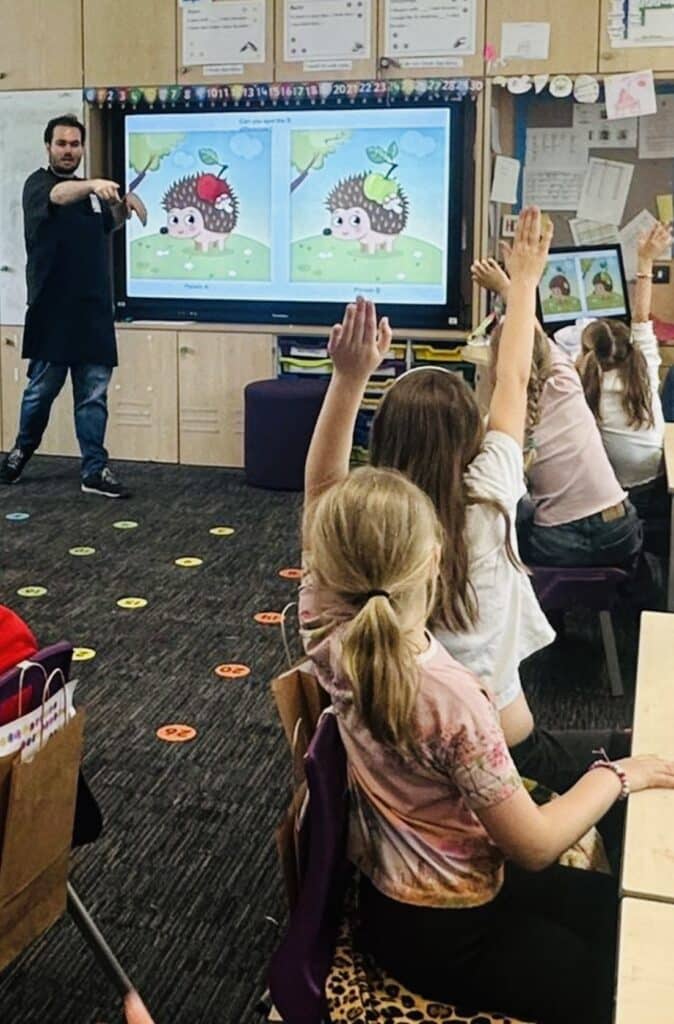
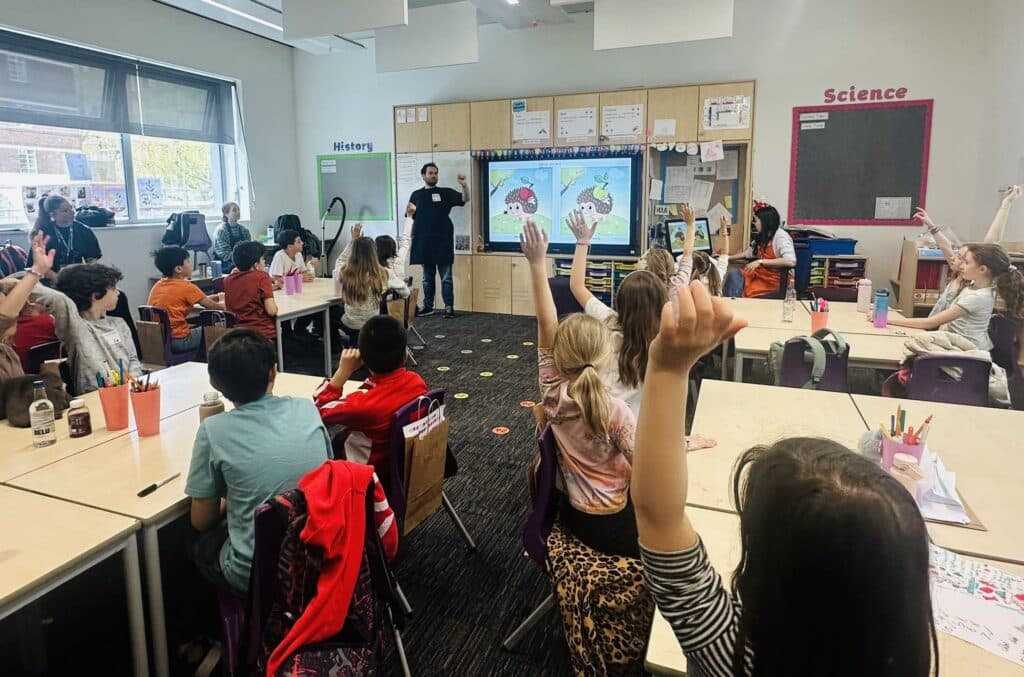
UCL Queen Square Institute of Neurology Neurogenetics Lab
We would like to say a huge thank you to the scientists at the UCL Queen Square Institute of Neurology Neurogenetics Lab, led by Prof Henry Houlden, for their time and generosity during our recent Medical Science Camp!
It was a fantastic opportunity for our students to meet researchers working at the forefront of neurogenetics and to see how science is applied in real-world settings.
These kinds of collaborations are incredibly valuable to us. They help bridge the gap between classroom learning and real scientific research, and play an important role in inspiring curiosity and future pathways in science and medicine./